Table of Content
Unfortunately, for common issues like plaque buildup, your daily oral health routine is only part of the equation. If you don’t remove tartar from your teeth, it can lead to gum disease. Tartar is a hard deposit that forms on your teeth, and it can only be removed by a professional cleaning. If you have gum disease, your gums will be red, swollen, and bleed easily. Using baking soda toothpaste may also remove tartar — given the abrasiveness of baking soda. Tartar, also known as calculus, comprises the buildup of plaque and minerals that harden on teeth.

Who doesnt wish an at-home oral health routine would be enough for perfectly white teeth? In this YouTube edition, well discuss what tartar is, how you can prevent its buildup, and remove it without a dentist. First, brush your teeth with regular toothpaste and rinse. Leave it on for at least two minutes and then rinse your mouth out well with warm water.
Is It Safe To Remove Tartar From Teeth At Home?
Mix baking soda with salt, or simply use baking soda for this job. Keep it on the bristles of your toothbrush and brush your teeth with it. You can also mix baking soda with toothpaste and brush your teeth with it. Use any of these techniques twice a week to see results. Once you spot someone with pearly white and bright teeth, you are automatically drawn towards that person. Not only for the sole purpose of looking attractive, good oral hygiene of utmost importance for the sake of your overall health.

To help you figure out the best way to remove nicotine stains from teeth we look at professional, over-the-counter, and do-it-yourself options. On the flip side, before you can make an appointment with your dentist, you also need to know what causes tartar to build upon your teeth. With that said, here are some of the top things that cause tartar. Here are a few tried and tested methods to remove mild tartar deposits without having to see a dentist. But before we proceed, we’ll have to understand what exactly tartar is and how it forms.
How to Remove Plaque at Home
It collects along your gumline and can irritate your gums, causing a type of inflammation called gingivitis. Once tartar has formed, only a dental professional will be able to remove it from your teeth. So, visit your dentist every 6 months to remove any plaque and tartar that might have formed and to prevent further problems. No matter how good you are with a toothbrush, dental floss is the only way to remove plaque between your teeth and keep tartar out of these hard-to-reach areas. For people with excessive plaque or severe gum disease, a dentist may also recommend prescription-strength mouthwash or changes to the person’s oral care routine.
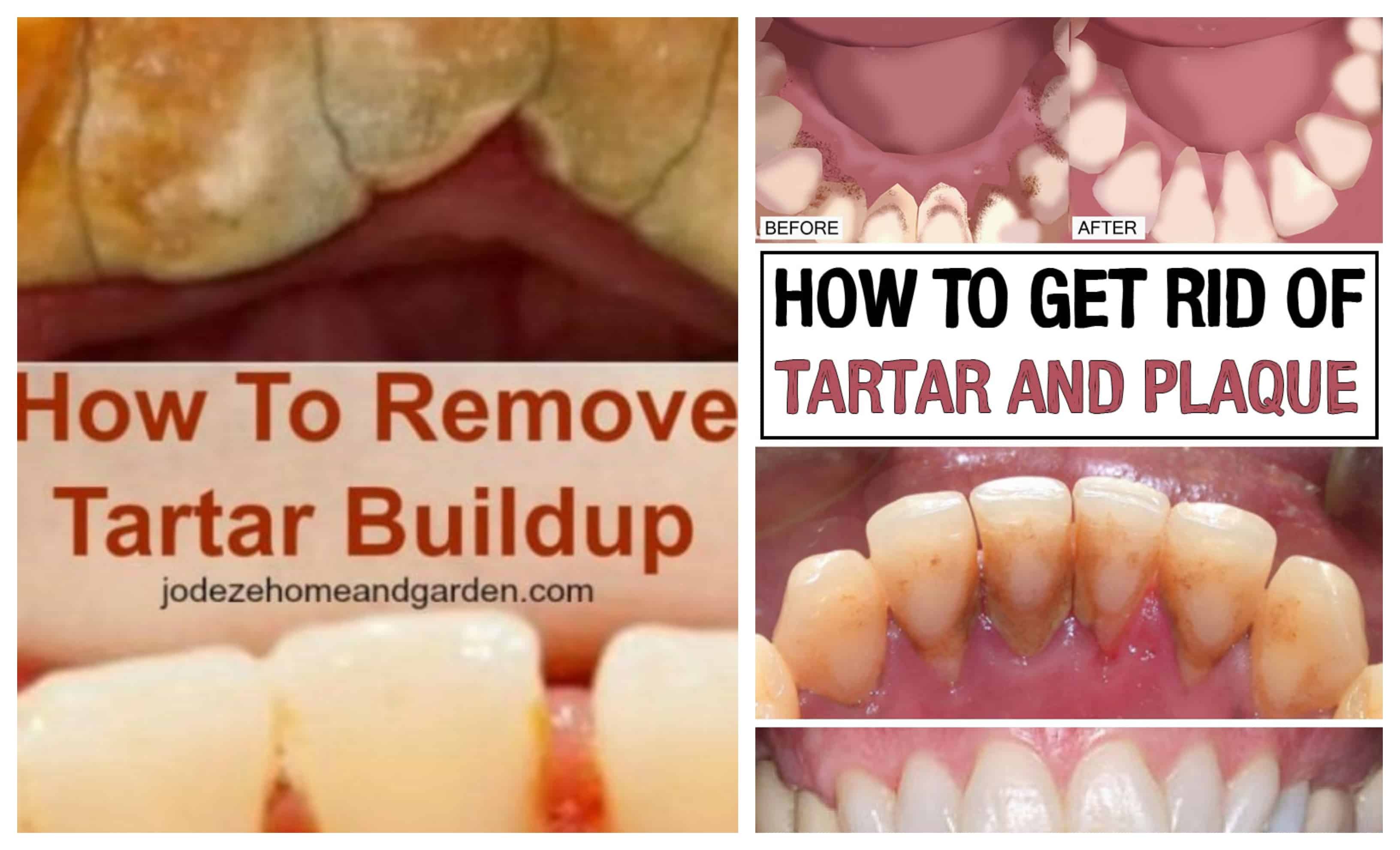
It doesn't take a lot of pressure or vigorous brushing to remove plaque. Using a soft-bristled toothbrush and fluoride toothpaste to brush each tooth will help remove build-up and food debris. The acetic acid in white vinegar has antibacterial properties and promotes demineralization of tooth enamel, making it effective in removing tartar and plaque. Add half a teaspoon of salt to half a cup of water and add two teaspoons of white vinegar to it.
What Are The Most Effective Ways To Remove Tartar From Teeth?
By keeping these things in mind, you can narrow down your choices and find the perfect one for your needs. Vinegar works so well because it is acidic, if you dilute it won’t be so effective anymore. We do not recommend using vinegar, and vinegar diluted to a pH level higher than 5.5 won’t damage your teeth but it won’t be too effective. Also, you need a well-calibrated electronic pH meter to be sure that it actually has safe pH level. In this article we will explain in detail why removing tartar at home may not be the best idea (and in fact may be harmful to your teeth!). The discount program provides access to the Aetna Dental Access® network.
You can utilise aloe vera gel in a mixture of glycerine, baking soda, lemon essential oil, and water. Use this concoction to brush your teeth, and the tartar slowly starts to come off. If left unchecked, tartar can eventually cover your teeth and cause your gums to recede to dangerous levels, resulting in periodontal disease.
To the rest of the people, their scheduled cleanings should be more than enough. The Carefree Dental blog is not meant to be a substitute for professional medical advice, diagnosis, or treatment. The text and pictures within the content are intended for information purposes only. Readers should consult with a licensed dentist or healthcare professional before seeking treatment. More effective at cleaning your teeth, so you may have more luck with removing tartar naturally with one.
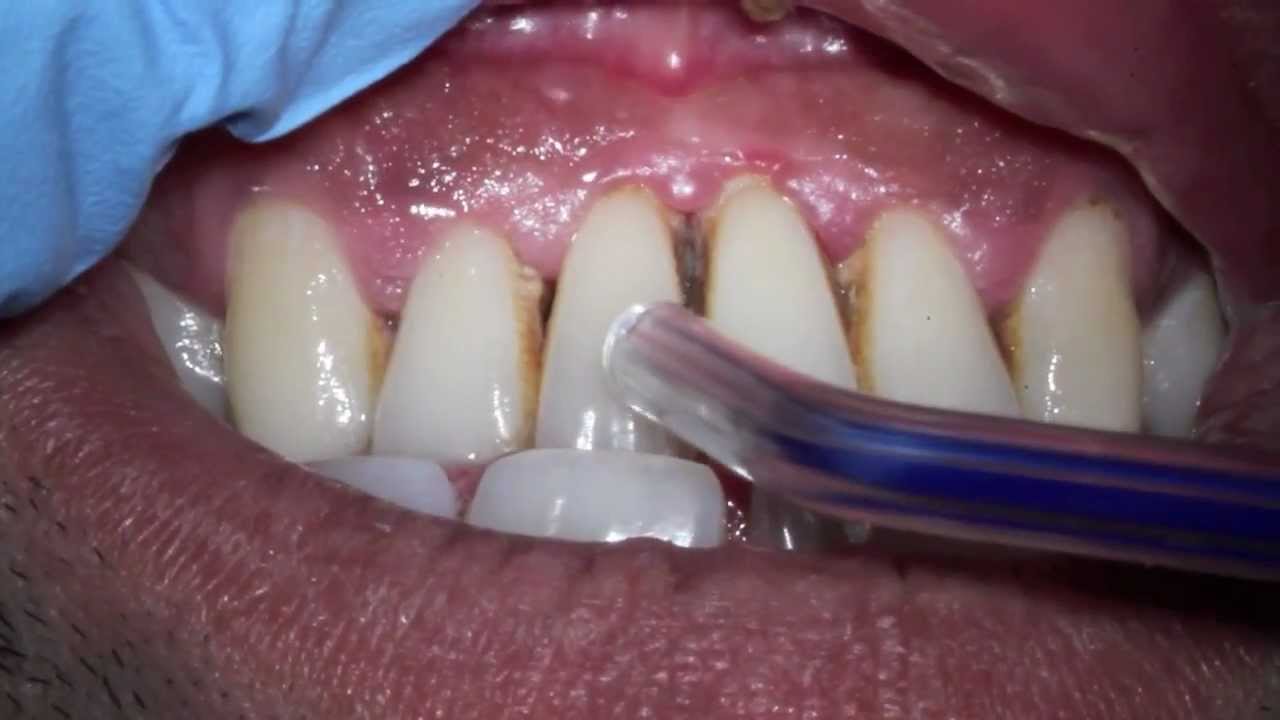
These usually have ingredients that help to loosen and break up tartar. They can let you know which toothpastes they think work best for tartar removal. Try to do these home remedies once a day along with proper dental hygiene to achieve the best results. You can buy toothpaste made specifically to remove tartar.
Plaque develops on your teeth and along your gumline when your saliva mixes with bacteria and particles of food left behind in your mouth. You might notice it when your teeth feel sticky or tacky. Tartar can take a lot of time before it is ultimately removed from your teeth. If you live in Charlotte or the surrounding areas and need to remove tartar quickly, safely, and efficiently, then Modern Family Dental Care is your go-to dental practice. Mix a tablespoon of aloe vera gel with a half cup of water and baking powder. Add four tablespoons of lemon essential oils and vegetable glycerine and scrub your teeth with the mixture.
Lastly, visit your dentist regularly for professional checkups and cleanings even if you follow an excellent oral hygiene routine. Your dentist will help to remove any plaque you missed, detect early signs of gum disease, and ensure your gums and teeth are healthy. Your toothbrush cannot reach all your gum and tooth surfaces. So, it’s important to floss regularly to remove plaque and any lodged food particles from the inaccessible parts of your teeth.
Be warned though, baking soda can make the mouth over-sensitive and even sore. Removing tartar from teeth is important to prevent serious dental problems such as cavities and gum disease. After all, tartar is hard plaque, which consists mainly of bacteria and food particles, and it affects oral hygiene. Who doesn't wish that at-home care would be enough for a perfectly white smile?
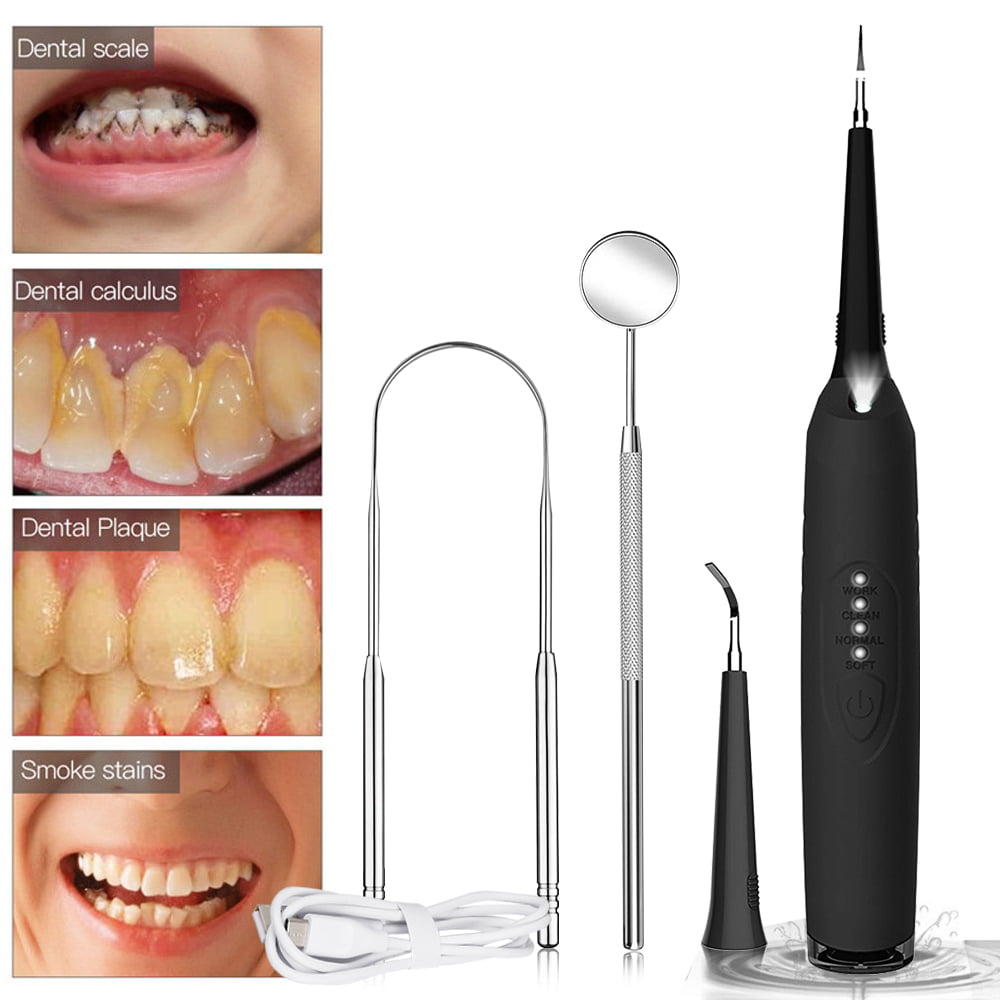
It’s important to note that these rinses should be used in conjunction with brushing and flossing. According to the ADA, mouthwashes that contain bacteria-fighting ingredients like cetylpyridinium, chlorhexidine, and certain essential oils can fight plaque and tartar. When left unaddressed, tartar can also lead to other health issues. It is common for dental biofilm calcification to accumulate at the edge of the gums or in interdental spaces where brushing does not reach. Not only does it affect the integrity of the teeth, but it can also alter the health of the gums, irritating them and causing bleeding and infection.
Thoroughly cleaning all surfaces of your teeth, between your teeth and under the gumline, can help remove the food debris that feeds bacteria. When plaque has hardened into tartar, also known as calculus, you must visit your dental hygienist to remove it, as normal brush and flossing will not. The best way to prevent the buildup of plaque and tartar on the teeth is by flossing once a day and brushing twice a day with fluoride toothpaste. Be sure to change toothbrushes regularly as they lose their effectiveness with use. The best way to remove plaque and tartar is to practice good oral hygiene.





No comments:
Post a Comment